
Your Railroad Injury Claim, From the First Hour to Final Resolution
Key Takeaways: Injured railroad workers in Illinois generally use the FELA claims process instead of state workers’ compensation. They must show that railroad negligence played at least some part, even the slightest, in causing their injury. The process has six steps: get medical care, report the injury, preserve evidence, investigate negligence, file before the deadline, and then negotiate or go to trial. Illinois law (610 ILCS 107/10) requires railroads to make a good faith effort to provide prompt medical attention. It also bars them from interfering with treatment or disciplining workers who seek care or follow their doctor’s orders. Violations go to the Illinois Commerce Commission, which may impose a civil penalty of up to $10,000 per violation. This process is separate from a FELA lawsuit and does not pause the FELA filing deadline. A worker generally must file a FELA claim within three years under 45 U.S.C. § 56, and missing that deadline will usually bar recovery. Be careful with early settlement offers. First find out whether you have reached maximum medical improvement, because future treatment needs can greatly affect what a claim is worth.
Railroad workers in Illinois who get hurt on the job generally go through the FELA claims process instead of a state workers’ compensation system. Under the Federal Employers’ Liability Act, 45 U.S.C. § 51 et seq., injured employees of railroads engaged in interstate commerce may sue their employer. To recover, they generally must show that the injury happened on the job and was caused in whole or in part by negligence of the railroad or its officers, agents, or employees, or by a defect in its equipment, track, or other property.
If you or a loved one was hurt while working for a railroad, you should not have to handle this alone. The team at Trapp & Geller helps injured railroad workers and their families across Chicago, Cook County, and Illinois. Call (312) 368-1444 or contact us now to talk about your situation.
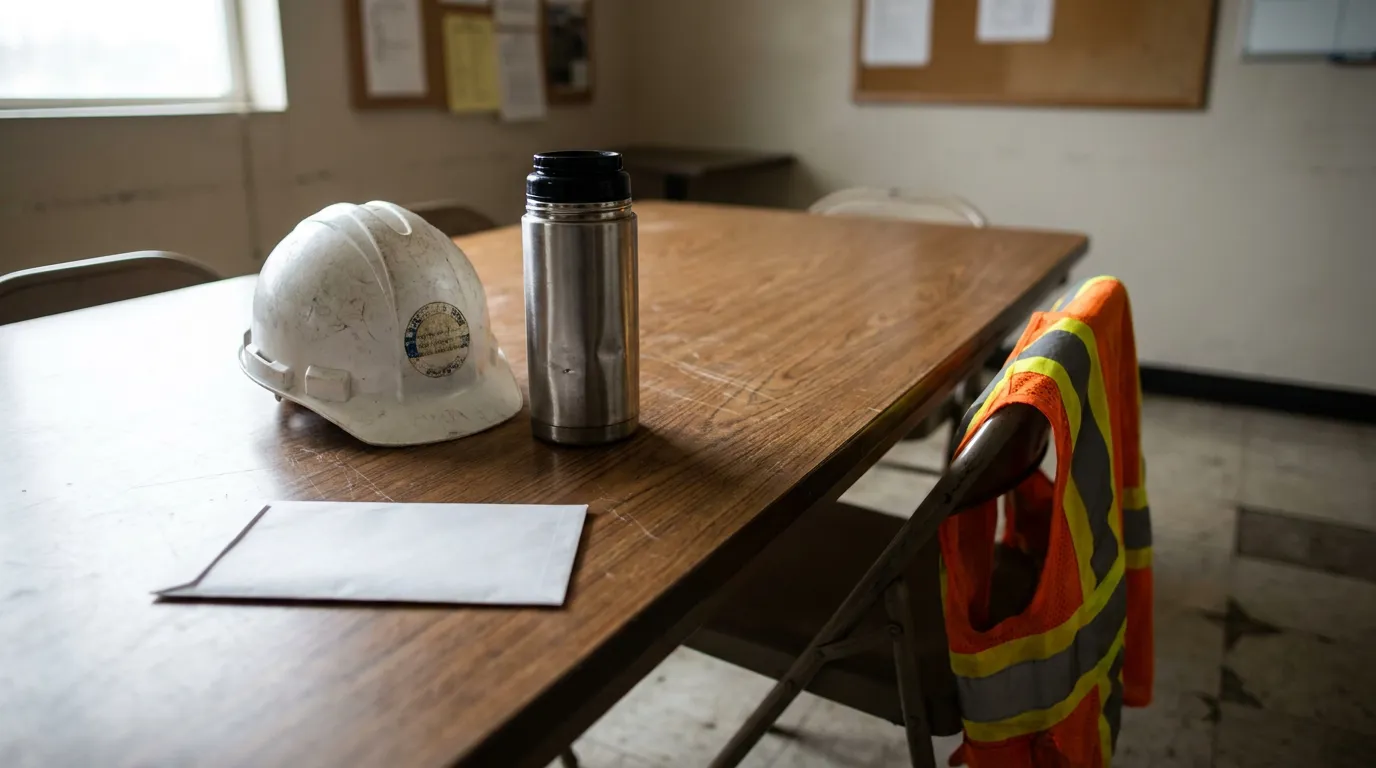
Why FELA Works Differently Than Workers’ Compensation
FELA is a federal law, so its core standards apply to railroad workers in Illinois the same way they apply in other states, whether the case is filed in state or federal court. Most Illinois employees fall under a no-fault workers’ compensation system, which pays limited benefits whether or not anyone was at fault. Under FELA, the injured worker must prove the railroad was negligent. In exchange, the worker may recover a fuller range of damages, such as pain and suffering. Under FELA’s comparative negligence rule, those damages may be reduced by the worker’s own share of fault.
Because FELA is based on fault, the strength of your claim depends on the evidence. Our article on how much proof a FELA claim needs covers this in more detail. The causation standard is relaxed, but the worker still must prove negligence, including that the harm was reasonably foreseeable.
Step One: Get Medical Care and Know Your Protections
Getting medical treatment is the first and most important step in any railroad injury claim. Under 610 ILCS 107/10(a), a railroad "shall make a good faith effort to provide prompt medical attention" for an employee injured on the job. You can read the full text of the Illinois railroad employee medical treatment law on the Illinois General Assembly website.
What the Railroad Cannot Do
The same Illinois law bars several kinds of employer interference. Under 610 ILCS 107/10(b), it is unlawful for a railroad or anyone it employs to:
- Deny, delay, or interfere with medical treatment or first aid for an employee injured on the job
- Discipline or threaten to discipline an injured employee for asking for medical or first aid treatment
- Discipline or threaten to discipline an injured employee for following the orders or treatment plan of his or her treating physician
These protections matter because many workers fear retaliation when they report an injury. Under 610 ILCS 107/10(d), the railroad may still note the injury in your record. It may also offer light duty or another assignment, but only if that work does not conflict with your treating physician’s orders or treatment plan. The Federal Railroad Safety Act (49 U.S.C. § 20109) also protects workers against retaliation and medical interference, with its own short filing deadlines.
How Violations Are Handled
Violations of this medical treatment section go through an administrative process separate from a FELA lawsuit. Under 610 ILCS 107/10(e), the Illinois Commerce Commission handles these violations. After a complaint and hearing, it may impose a civil penalty of up to $10,000 per violation. That penalty is the only remedy under this section, so a worker cannot sue for damages under it. It does not, however, take away a FELA damages claim for the injury.
💡 Pro Tip: Write down the name of anyone who discouraged you from seeking treatment, along with the date and what they said. That record may help with both an Illinois Commerce Commission complaint and your FELA case.
Steps Two and Three: Report the Injury and Preserve Evidence
After you get care, report the injury and start protecting evidence right away. Railroads usually have their own reporting rules and deadlines, and the injury report often becomes a key document in the case. Keep your description accurate and factual. Do not guess about causes you are not sure of.
Evidence in railroad cases can disappear quickly. The railroad may repair equipment or clean up the scene, and memories fade. Helpful evidence may include:
- Photos of the scene, equipment, and your injuries
- Names and contact information for co-workers who saw what happened
- Your medical records and treatment notes
- Maintenance logs, inspection records, and past complaints about the hazard
The railroad controls some of this evidence. A lawyer can often send a letter asking the railroad to keep relevant records and equipment before they are lost.
💡 Pro Tip: Keep your own copy of every form you sign or submit. Before you give a recorded statement to a claims agent, think about talking with a lawyer first.
Step Four: Investigate Negligence and Build the Claim
The investigation aims to find out how railroad negligence contributed to your injury. Negligence may come from unsafe equipment, poor training, understaffing, bad track conditions, or a co-worker’s carelessness. If the railroad violated a federal safety law, such as the Federal Safety Appliance Act or the Locomotive Inspection Act, it may be strictly liable, and your own negligence may not reduce your damages.
Toxic exposure and occupational disease claims can raise their own issues. Railroad workers covered by FELA generally bring occupational disease claims, such as those from asbestos, diesel exhaust, or solvent exposure, under FELA. Illinois has a separate law for workers outside FELA. Under the Illinois Workers’ Occupational Diseases Act, 820 ILCS 310/3, an employee may have a right to sue an employer not covered by the Act when the employer’s negligence causes a work-related disease. Which law applies depends on the employer and the facts.
Step Five: Understand the Deadlines in the FELA Claims Process
Filing deadlines are one of the most important parts of the FELA claims process. Under 45 U.S.C. § 56, you must file a FELA action within three years from the day the cause of action accrued. For slowly developing illnesses, courts use a discovery rule: the claim generally accrues when the worker knew, or should have known, about the injury and its likely work-related cause. The clock may start earlier than expected.
| Claim Type | General Deadline | Source |
|---|---|---|
| FELA injury claim | 3 years from accrual | 45 U.S.C. § 56 |
| Illinois occupational disease (injury to health) | 3 years after last exposure | 820 ILCS 310/3 |
| Illinois occupational disease (death) | 1 year after death and within 5 years of last exposure | 820 ILCS 310/3 |
| Atomic radiation disease | Up to 15 years | 820 ILCS 310/3 |
| ICC medical-interference complaint | Administrative process, separate from civil suit | 610 ILCS 107/10(e) |
Missing a civil filing deadline will usually bar your claim for good. An administrative complaint or internal railroad claim does not pause the deadline for a FELA lawsuit.
Step Six: Negotiate or Go to Trial
Many FELA cases settle, but some go to trial. Railroads sometimes make early offers before anyone knows how serious the injury is. A signed release generally ends your right to more compensation for the injuries it covers. If you accept too soon, you may give up money for future medical care or lost earning ability. FELA claimants have the right to a jury trial and may file in either state or federal court.
💡 Pro Tip: Before you weigh any settlement offer, ask your treating physician whether you have reached maximum medical improvement. Future treatment needs can greatly affect the value of your claim.
Frequently Asked Questions
1. Do I have to prove the railroad was entirely at fault?
No. FELA requires showing that railroad negligence played some part, even the slightest, in causing the injury. Your own share of fault may reduce your recovery by that share. It does not, however, if the railroad violated a federal safety law that contributed to the injury.
2. Can the railroad punish me for following my doctor’s orders?
No. Under 610 ILCS 107/10(b), it is unlawful for a railroad to discipline or threaten to discipline an injured employee for following a treating physician’s orders or treatment plan. Federal law under 49 U.S.C. § 20109 provides similar protections.
3. Can family members file a FELA claim after a fatal accident?
Yes. FELA allows a wrongful-death claim brought by the worker’s personal representative for certain survivors: the spouse and children, then the parents, then other relatives who depended on the worker.
4. Do I have to accept light duty?
Under 610 ILCS 107/10(d), a railroad may offer light duty only if it does not conflict with your treating physician’s orders. Turning down suitable light duty may affect your claim for lost wages, so talk with your doctor and a lawyer first.
5. How long do I have to file?
Generally, three years from accrual under 45 U.S.C. § 56. For occupational illnesses, the clock usually starts when you knew or should have known about the injury and its likely work-related cause.
Protecting Your Rights at Every Stage
Taking these steps in order may help you protect your potential recovery. Get prompt medical care, report the injury accurately, preserve evidence, investigate negligence, and file before the deadline. Illinois law adds protections against medical interference and retaliation, though those violations are handled separately from FELA lawsuits. Results always depend on the facts of your case.
If you are dealing with a railroad injury, getting help early can make a real difference. A FELA claims process lawyer at Trapp & Geller can review your options. Call (312) 368-1444 or schedule your consultation today.
Disclaimer: This content is for informational purposes only and is not legal advice. Every case is unique, and results may vary. Consult a lawyer about your specific circumstances.