
How RRB Sickness Benefits Affect Your FELA Recovery
Key Takeaways: Yes, the Railroad Retirement Board can usually take part of your Illinois FELA settlement if it paid you sickness benefits for the same injury. This right is a federal lien under Section 12(o) of the Railroad Unemployment Insurance Act, 45 U.S.C. § 362(o). It does not come from Illinois law, and the railroad usually pays it straight to the RRB out of the settlement. The lien is generally capped at the amount of sickness benefits paid for that injury. Railroad workers in interstate commerce generally fall outside Illinois workers’ compensation, so state employer-lien rules usually do not control their cases. Illinois’s pro rata reduction under 770 ILCS 23/50 probably does not reduce the RRB lien, because federal law likely controls, though no clear authority settles the question. Disability annuities raise separate reporting issues, especially for any part of a settlement labeled as pay for time lost. Confirm the lien amount in writing, review your settlement documents before signing a release, and remember that the lien does not change the general three-year FELA filing deadline.
In many cases, yes. If you received sickness benefits from the Railroad Retirement Board (RRB) while recovering from a work injury, the RRB is generally entitled to repayment from your FELA settlement or judgment for the same injury. This repayment right is often called the RRB sickness benefits lien. It comes from federal law, not Illinois law. What it means for your settlement depends on which benefits you received, how the settlement is structured, and the facts of your injury.
If you are weighing a settlement offer and are unsure what the RRB may claim, Trapp & Geller can help you review your options. Call (312) 368-1444 or contact us now to talk about your situation.
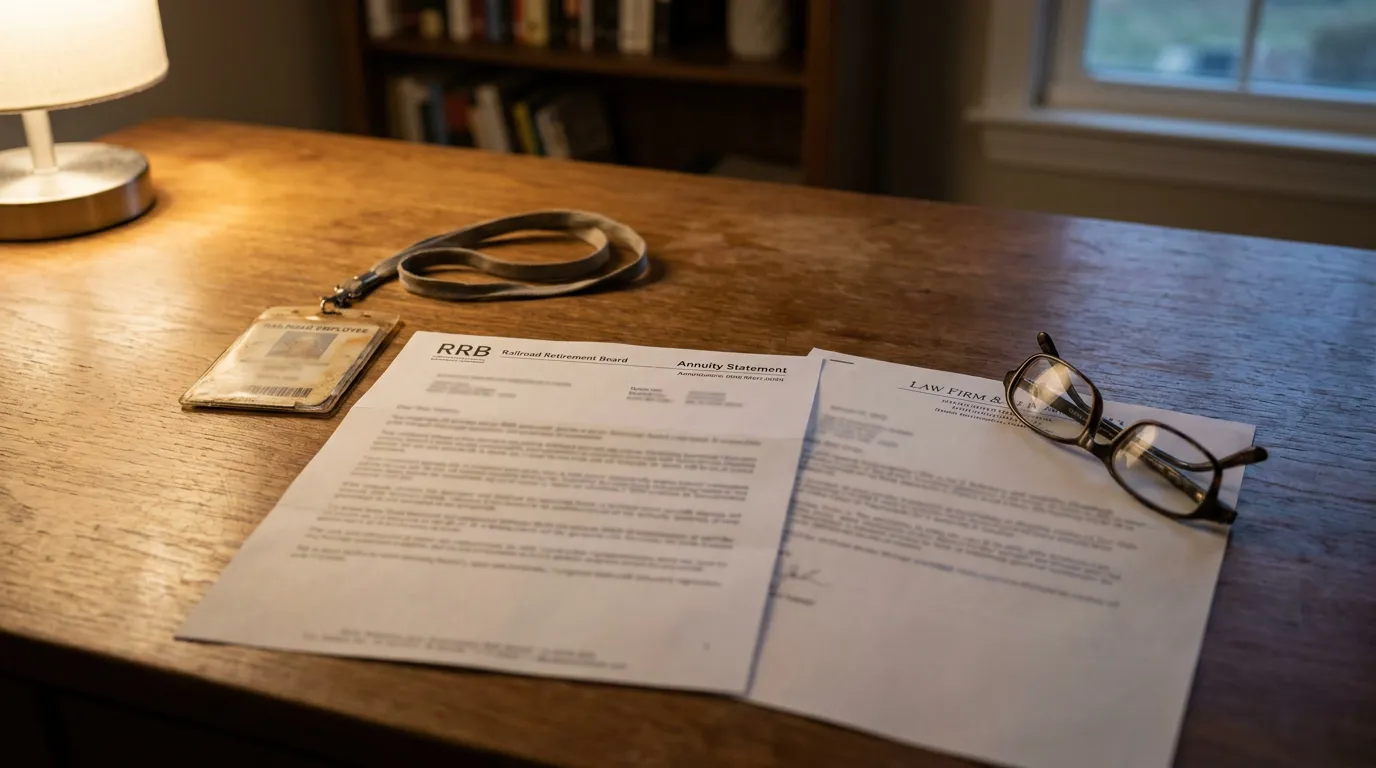
Why Railroad Workers Face a Different Repayment System
Railroad workers in interstate commerce generally fall outside the state workers’ compensation system that covers most Illinois employees. The Federal Employers’ Liability Act (FELA), 45 U.S.C. §§ 51-60, lets injured railroad workers sue their employer for negligence. To recover, you generally must show that the injury happened in the course of your railroad work and that negligence by the railroad, its employees or agents, or defective equipment caused it at least in part. Your own negligence can reduce your damages under FELA’s comparative negligence rule.
Railroad workers also usually receive short-term income support through a federal system instead of Illinois programs. Sickness and unemployment benefits for railroad workers are paid under the federal Railroad Unemployment Insurance Act rather than state unemployment insurance. This is why your main repayment concern after a FELA case is often a federal lien rather than a state one.
How Illinois Workers’ Compensation Liens Compare
Most injured Illinois workers deal with an employer lien under state law. Under 820 ILCS 305/5(b) of the Illinois Workers’ Compensation Act, when a worker recovers from a third party, the employer may be reimbursed out of that recovery and may claim a lien on the award, judgment, or fund. The employer must also pay its pro rata share of costs and, unless the parties agree otherwise, 25% of the gross reimbursement to the employee’s attorney. Because FELA-covered railroad workers usually are not part of this system, these rules generally do not control their cases.
Understanding the RRB Sickness Benefits Lien FELA Settlement Rule
The RRB’s repayment right comes from Section 12(o) of the Railroad Unemployment Insurance Act (RUIA), 45 U.S.C. § 362(o). If the RRB paid you sickness benefits for an injury or illness and you later receive a settlement or judgment for that same condition, the RRB is entitled to be repaid. The repayment is limited to the smaller of the benefits paid or the recovery. Because the lien is federal, Illinois courts and the parties generally cannot reduce or eliminate it under state rules or through the wording of a release.
In practice, the railroad that pays a FELA settlement usually knows about the RRB lien. The railroad typically deducts the lien amount, sends it straight to the RRB, and pays the rest to the injured worker. That makes it important to understand the lien amount before you agree to a final number.
What the Lien Typically Covers
The lien generally covers only sickness benefits paid for the same injury or illness that the settlement resolves. Points that may affect the amount include:
- The total sickness benefits the RRB paid during your recovery period
- Whether those benefits were paid for the same condition covered by your FELA claim
- How the settlement documents describe the payment, including any "pay for time lost" designation
- Whether you also received a disability annuity, which raises separate reporting issues
💡 Pro Tip: Ask the RRB for a written statement of the sickness benefits it paid on your claim before you negotiate seriously. Checking it against your own records can help you catch mistakes early.
Disability Annuities and Reporting Duties
Disability annuities raise questions that are related to the sickness benefits lien but separate from it. A FELA settlement does not create a lien for annuity payments the way it does for sickness benefits. Any part of a settlement labeled as "pay for time lost" is generally treated as railroad compensation, however. That can affect your service and earnings records, your railroad retirement taxes, and possibly annuity payments for the period it covers. Amounts for pain and suffering or medical expenses are generally not treated this way. Workers who receive both an RRB disability annuity and a FELA settlement should report the settlement to the RRB, which decides under federal law how it affects benefits.
Does Illinois Law Reduce What You Owe the RRB?
This is an uncertain question, and no Illinois statute clearly answers it for the RRB. Under 770 ILCS 23/50 of the Illinois Health Care Services Lien Act, many subrogation and reimbursement claims shrink by the same percentage as the injured person’s recovery. That reduction applies only when comparative fault or limited liability insurance reduces the recovery. The claimant must also pay its pro rata share of attorney fees and litigation costs.
Section 50 has express exclusions, and federal law raises more questions. The section does not apply to liens under the Workers’ Compensation Act, the Workers’ Occupational Diseases Act, or the Health Care Services Lien Act itself. The RRB’s sickness benefits lien is a federal statutory lien, and under the Supremacy Clause federal law likely controls over Illinois’s reduction rule. You should not assume Section 50 will lower your RRB repayment.
| Repayment Claim | Source of Law | Illinois Pro Rata Reduction? |
|---|---|---|
| RRB sickness benefits lien | RUIA § 12(o), 45 U.S.C. § 362(o) | Uncertain; federal lien |
| Workers’ compensation lien | 820 ILCS 305/5(b) | Excluded from 770 ILCS 23/50 |
| Many private benefit subrogation claims | 770 ILCS 23/50 | Generally yes, subject to exceptions |
Protecting Your Railroad Worker Settlement From Surprises
The best time to deal with the RRB lien is before you sign a release. Once a settlement is final, you may have less room to sort out lien questions. Practical steps include:
- Keeping copies of every RRB benefit notice and payment record
- Confirming the lien amount in writing before you agree to a final figure
- Reviewing how the release and settlement documents describe each part of the payment
- Reporting the settlement to the RRB when required
Deadlines matter as much as lien planning. A FELA claim generally must be filed within three years from the day the cause of action accrued under 45 U.S.C. § 56. For gradual injuries or occupational illnesses, courts generally apply a discovery rule, under which the claim accrues when you knew, or reasonably should have known, about both the injury and its work-related cause. That can be earlier than you expect. RRB benefit and reporting procedures are separate administrative processes and may have their own timelines.
💡 Pro Tip: Save photographs, incident reports, witness names, and medical records from the start. Strong evidence of negligence can support a fair FELA settlement, which may leave more for you after the lien is paid.
Occupational Disease Claims Outside FELA
Some workers with exposure-related illnesses may wonder whether Illinois law gives them a separate path. FELA itself covers occupational diseases caused by railroad negligence, so it usually remains the main remedy for interstate railroad workers. Under 820 ILCS 310/3 of the Illinois Workers’ Occupational Diseases Act, an employee of an employer that the Act does not cover may sue for a negligently caused occupational disease, subject to strict time limits. Which law applies depends on your employer and your work.
Frequently Asked Questions
1. Will the RRB take money from my FELA settlement?
If the RRB paid you sickness benefits for the same injury, it generally has a right to be repaid under RUIA section 12(o), up to the amount of benefits paid. The railroad usually pays the lien directly to the RRB from the settlement funds.
2. Does the RRB lien apply to pain and suffering damages?
Generally, yes. The sickness benefits lien attaches to the recovery for the same condition, up to the benefits paid, no matter how the damages are labeled. Disability annuity issues follow different rules that focus on amounts treated as pay for time lost.
3. Can Illinois’s lien reduction law lower what I repay?
Probably not, though no clear authority settles the question. The pro rata reduction in 770 ILCS 23/50 applies to many reimbursement claims, but the RRB’s lien comes from federal law, which likely controls.
4. Do I need to report my FELA settlement to the RRB?
If you receive an RRB disability annuity, you generally should report the settlement so the RRB can decide whether it affects your benefits.
5. Does the lien change my FELA filing deadline?
No. The FELA deadline is generally three years under 45 U.S.C. § 56. Waiting to sort out benefits could put your claim at risk.
Planning Ahead Before You Settle
The RRB sickness benefits lien is a real factor in many Illinois FELA cases, but it is something you can plan for. Knowing what you received, what the RRB may claim, and where the law is still unsettled can help you judge whether an offer truly meets your needs. Our FELA and railroad injury articles cover related topics. A railroad injury lawyer can review your benefit records and settlement terms before you commit.
If you have questions about how the RRB lien may affect your recovery, Trapp & Geller is ready to listen. Call (312) 368-1444 or schedule your consultation to talk about your next steps.
Disclaimer: This content is for informational purposes only and is not legal advice. Every case is unique, and results may vary. Consult an attorney about your specific circumstances.